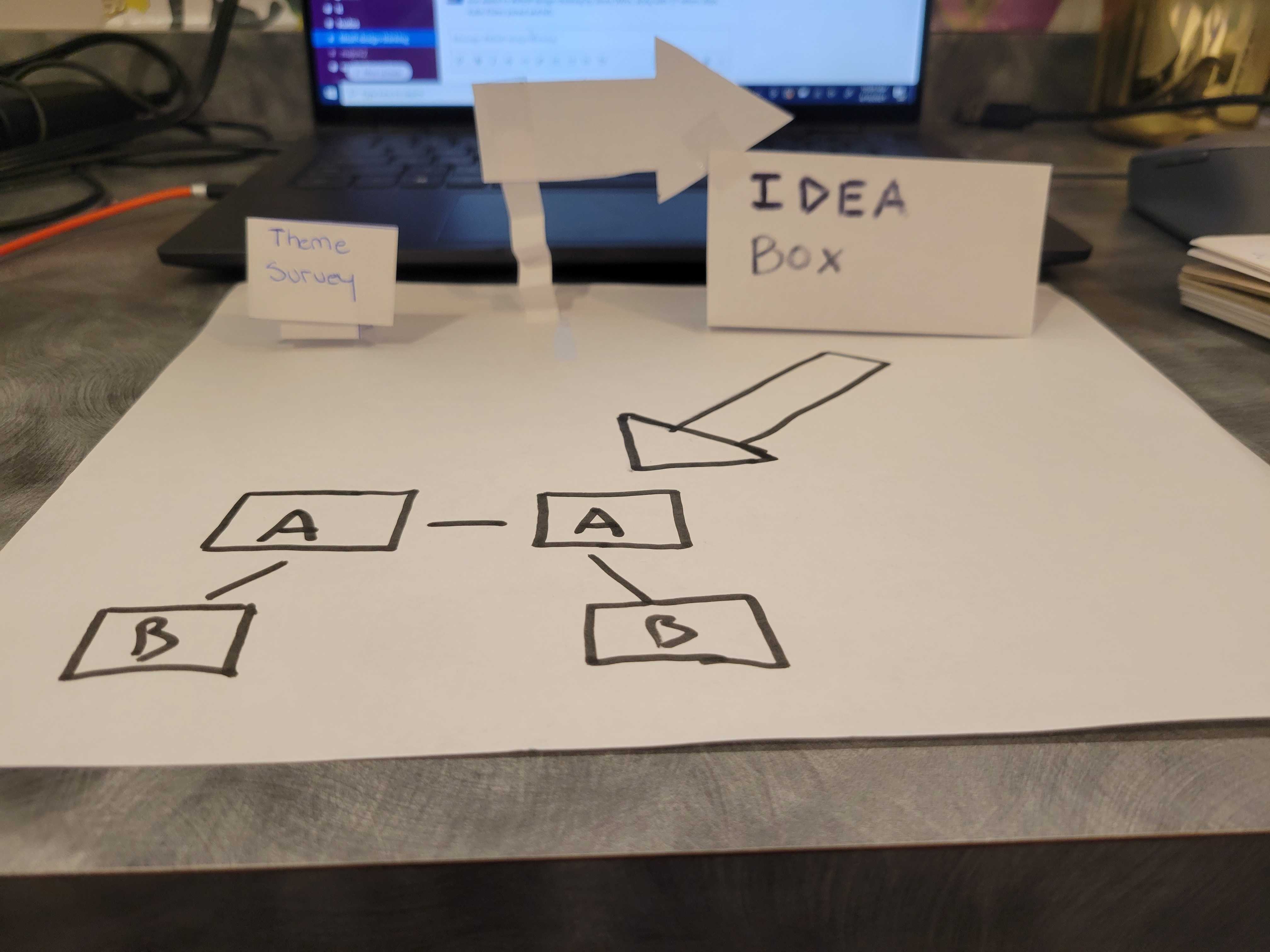
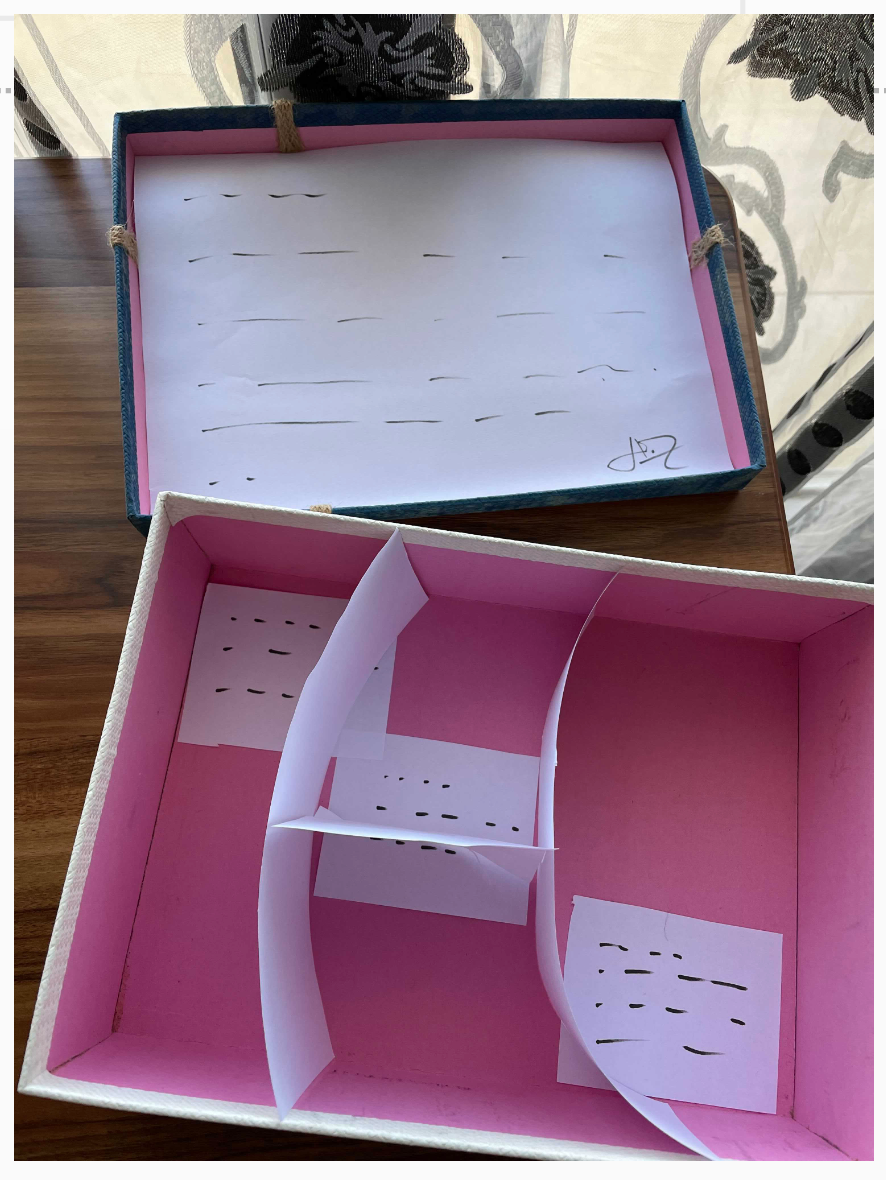
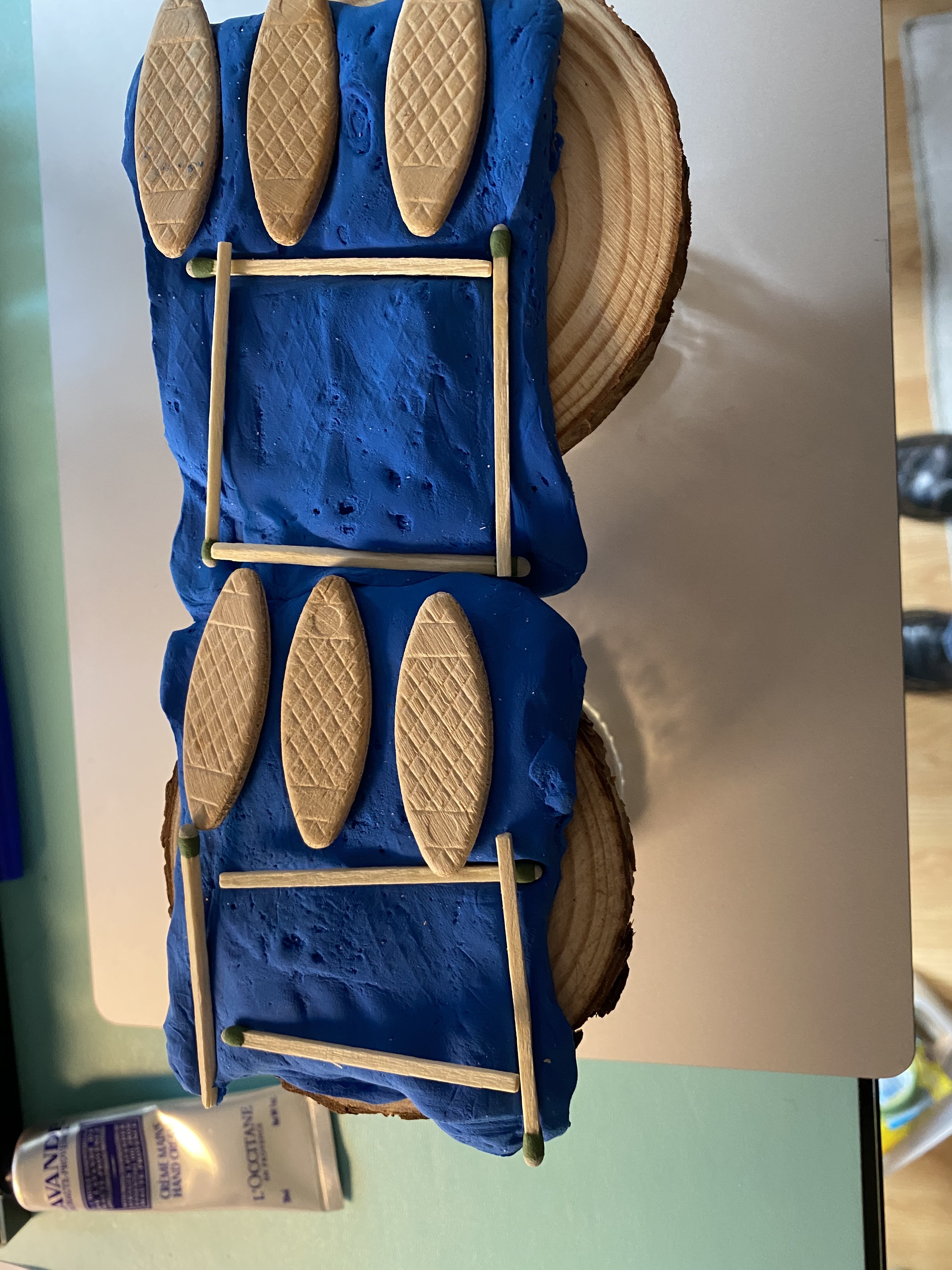
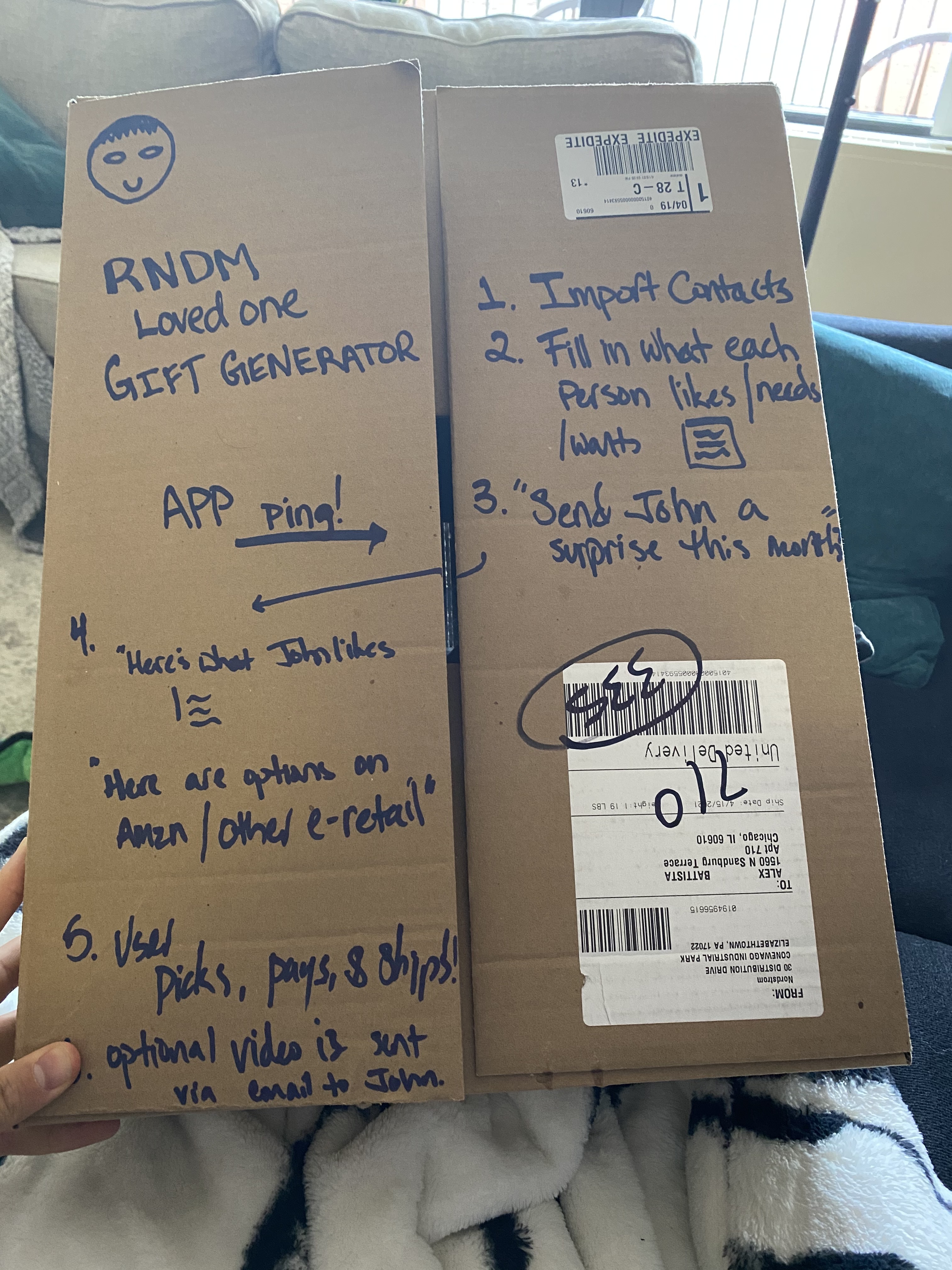
I designed and scaled a company-wide Design Thinking program at Mural that reached 90% of employees across every department and region. What started as a side project became a company OKR, trained 1,000+ people, and is still part of Mural's onboarding today. I owned strategy, content, facilitation training, and the operational model that made it sustainable without me.
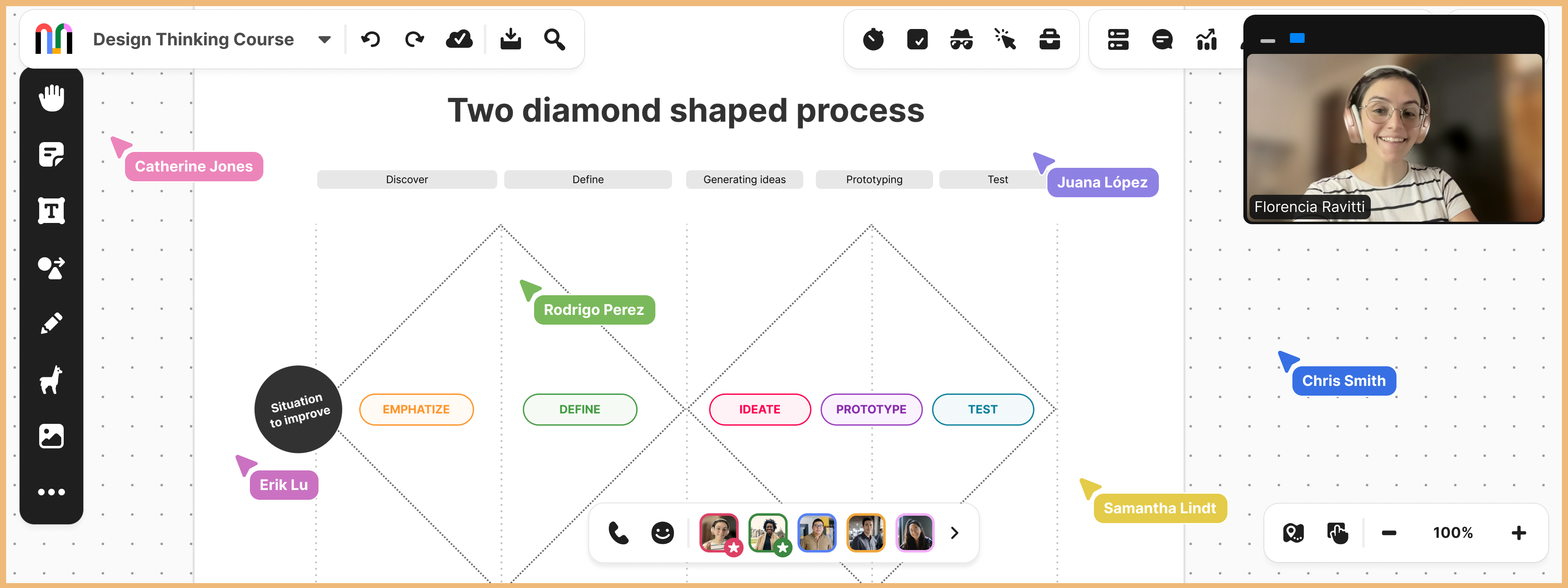
When I joined Mural in 2019, the company had around 120 people and a strong culture around human-centered design. Then the pandemic hit. Mural's headcount went from 120 to 400+ in a few months. New hires brought great talent but wildly different levels of exposure to design methods. Some had never heard of Design Thinking.
In a company that sold collaboration and innovation tools, that gap was a problem. If we wanted to help other teams innovate through Design Thinking, our own people had to be fluent in it first.
I started with a question: how do you introduce hundreds of people to Design Thinking without making it feel like a corporate training? We believed the only way to understand its value was to experience it, not read about it.
I designed a 2.5-hour workshop where participants paired up, interviewed each other, and worked through all five Design Thinking stages in one sprint. The constraints were deliberate: short enough that people would actually show up, accessible enough that no design background was needed, and collaborative enough that it felt like Mural's culture.
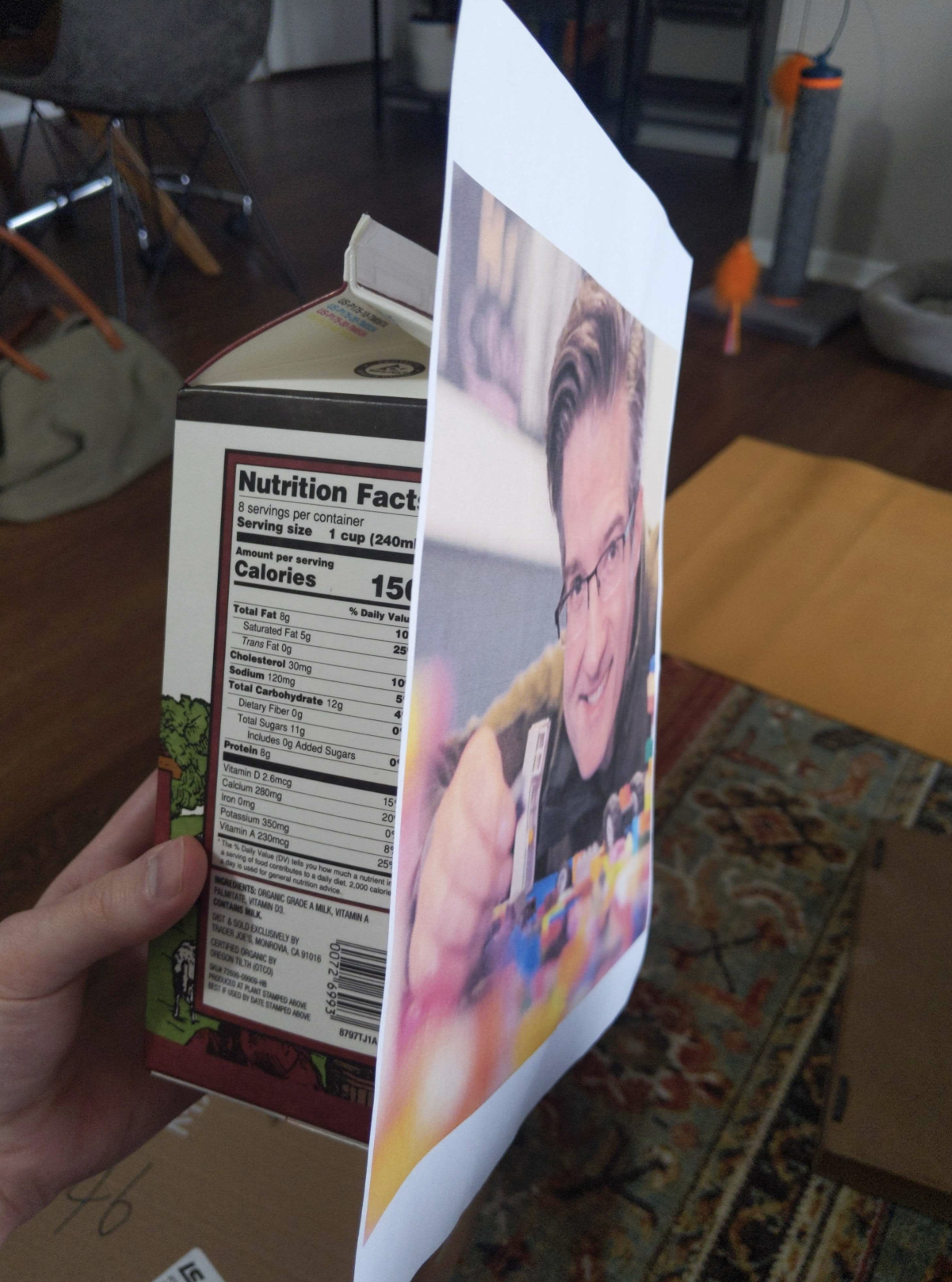
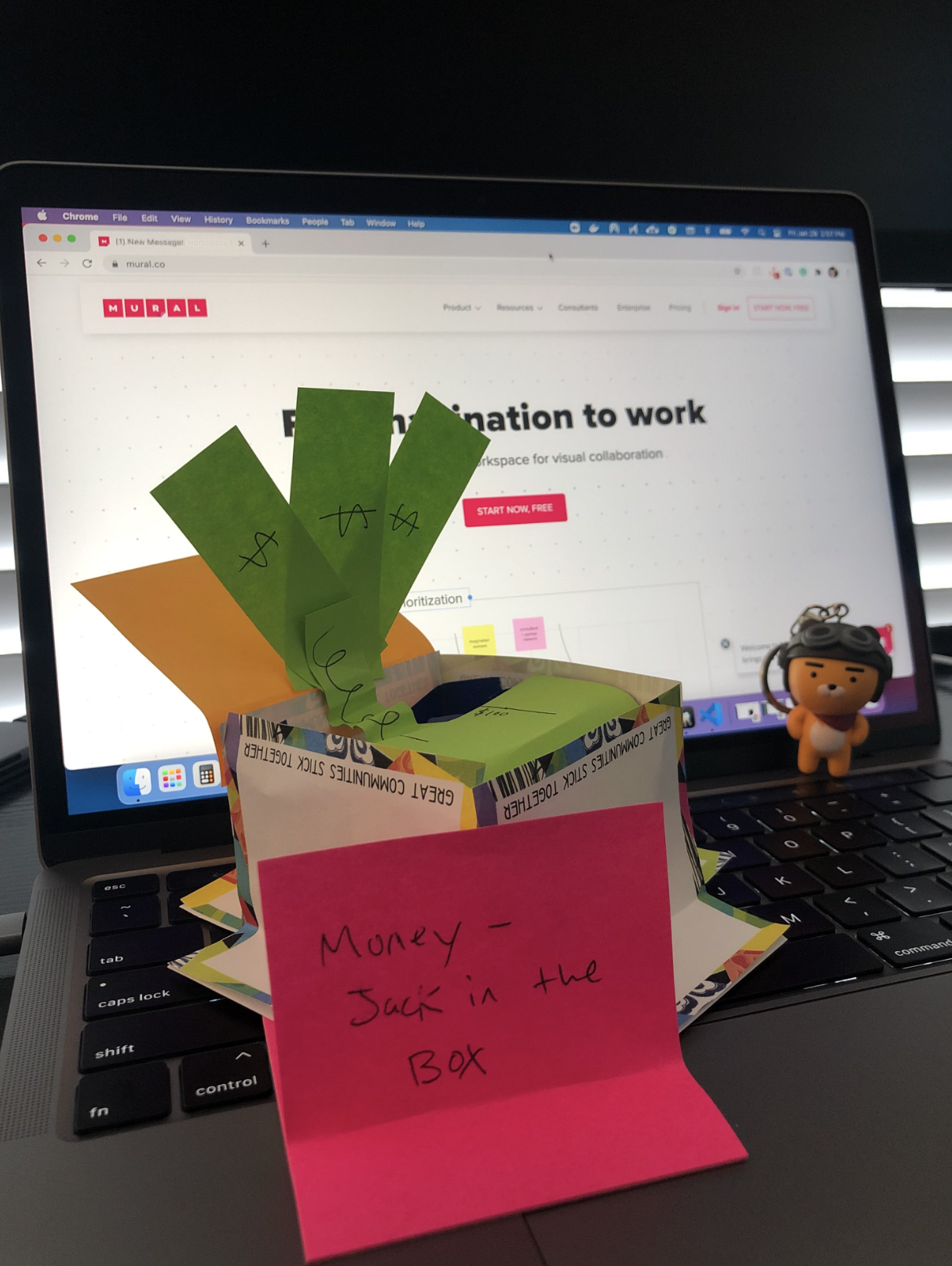
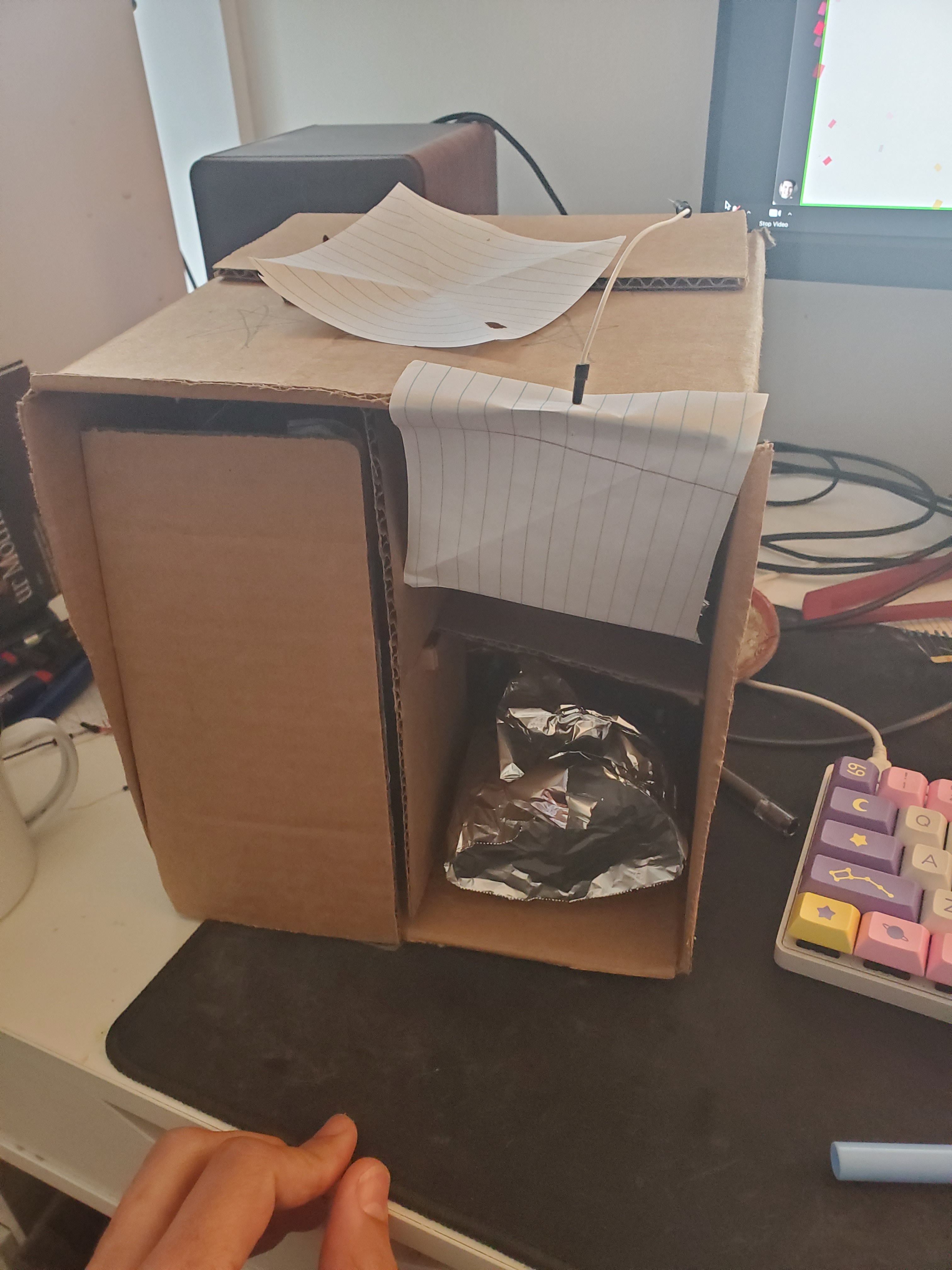
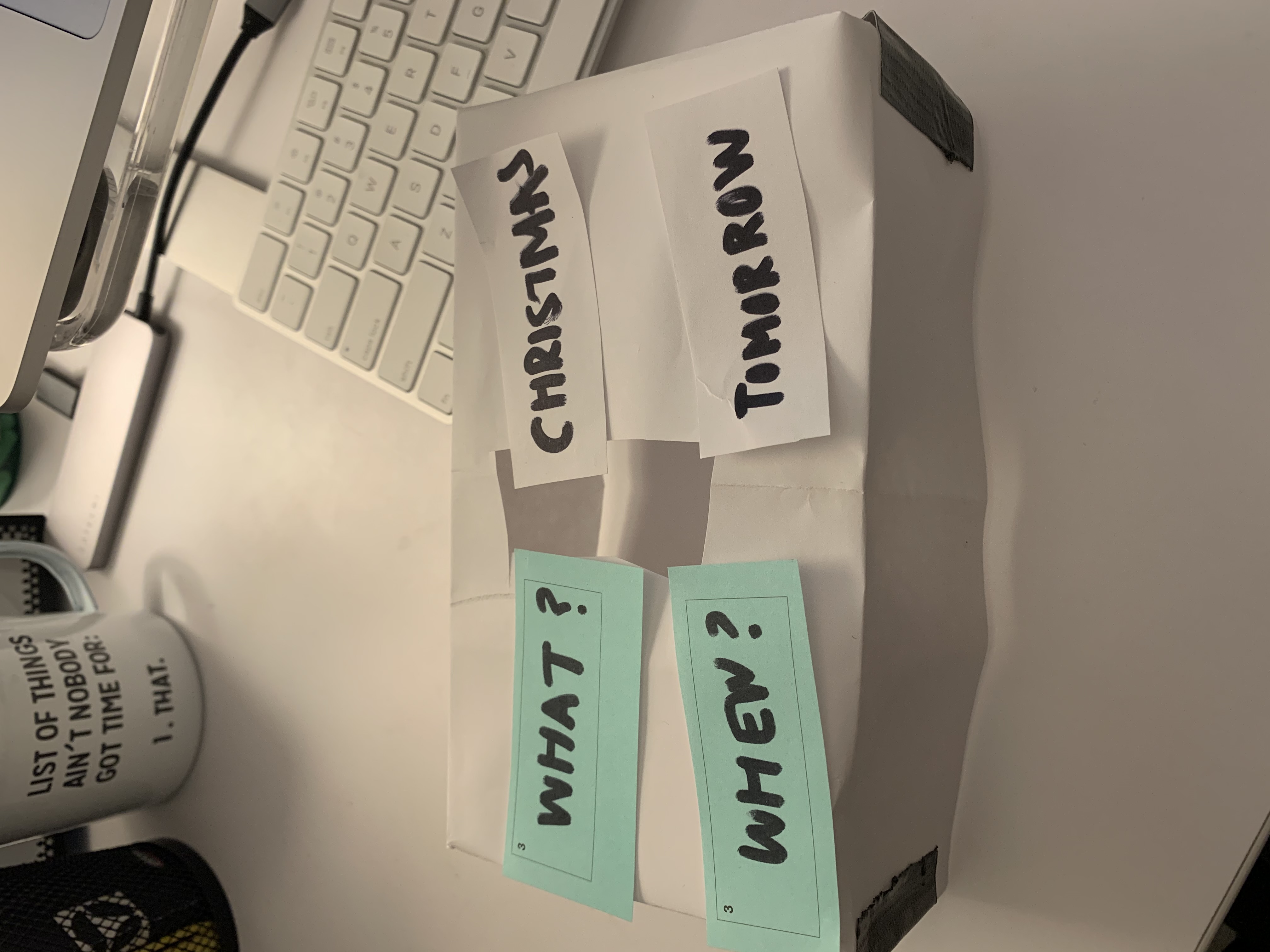
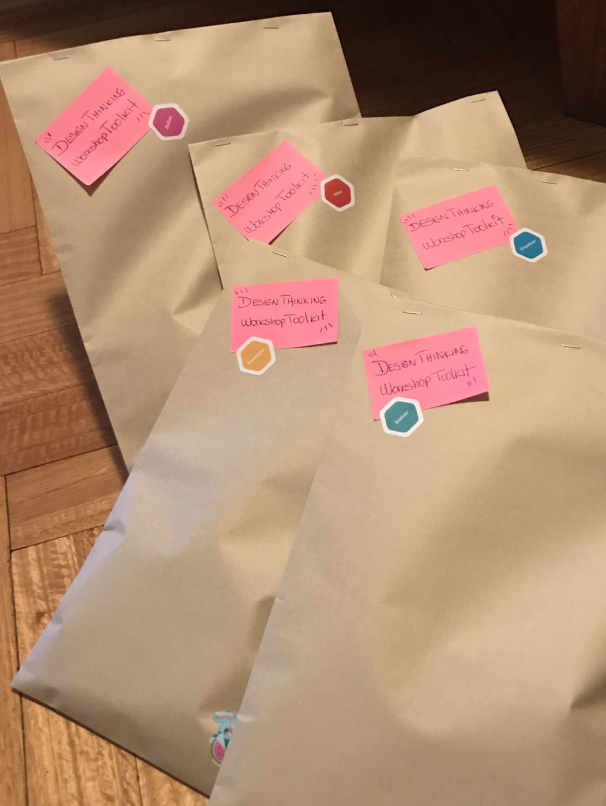
I wrote the content, built the first Mural template, and ran an MVP with 6 engineering leads. During the pandemic, I shipped physical kits to their homes by taxi. The pilot worked; the format landed. People who started the session confused ended it smiling.
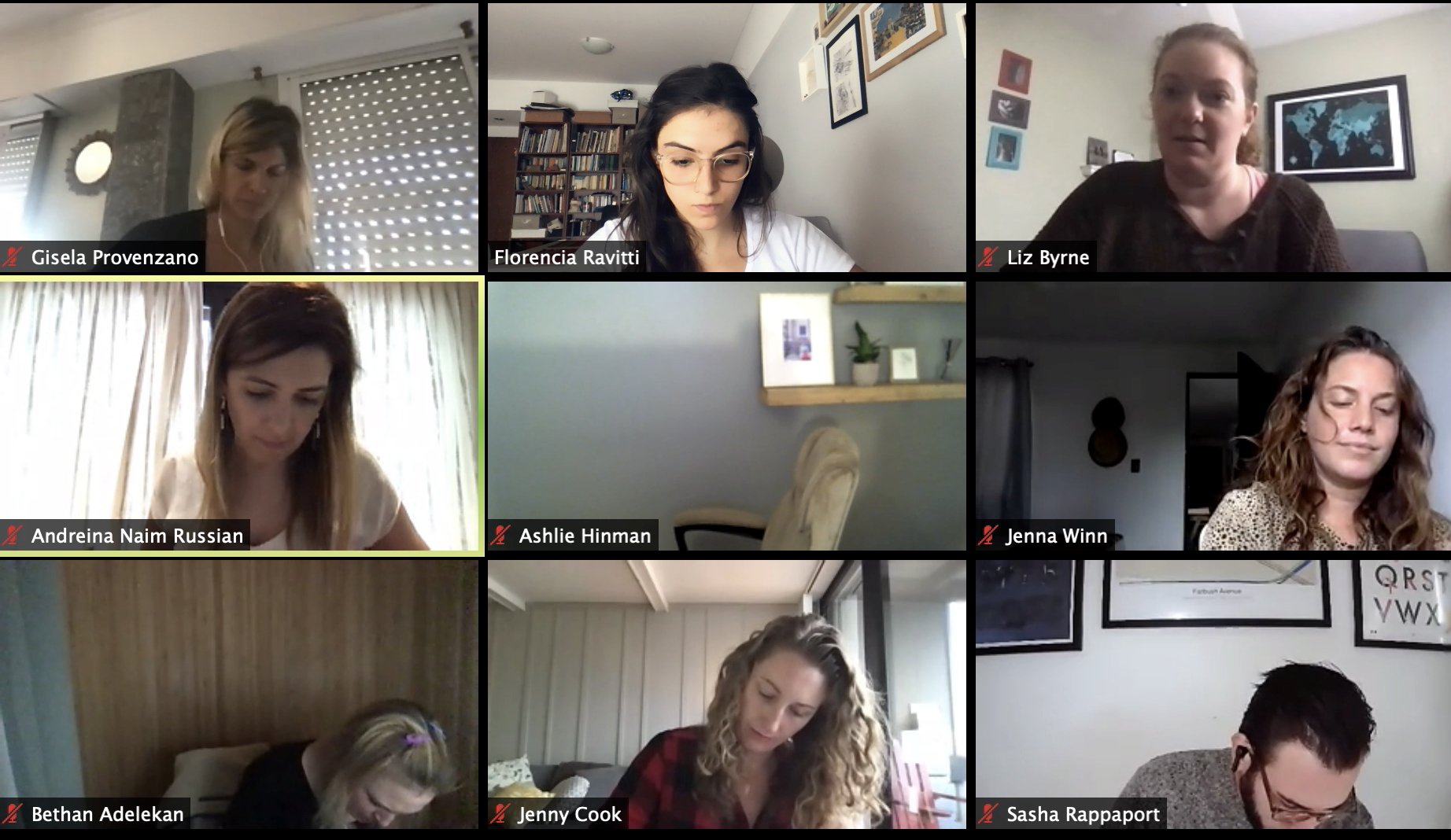
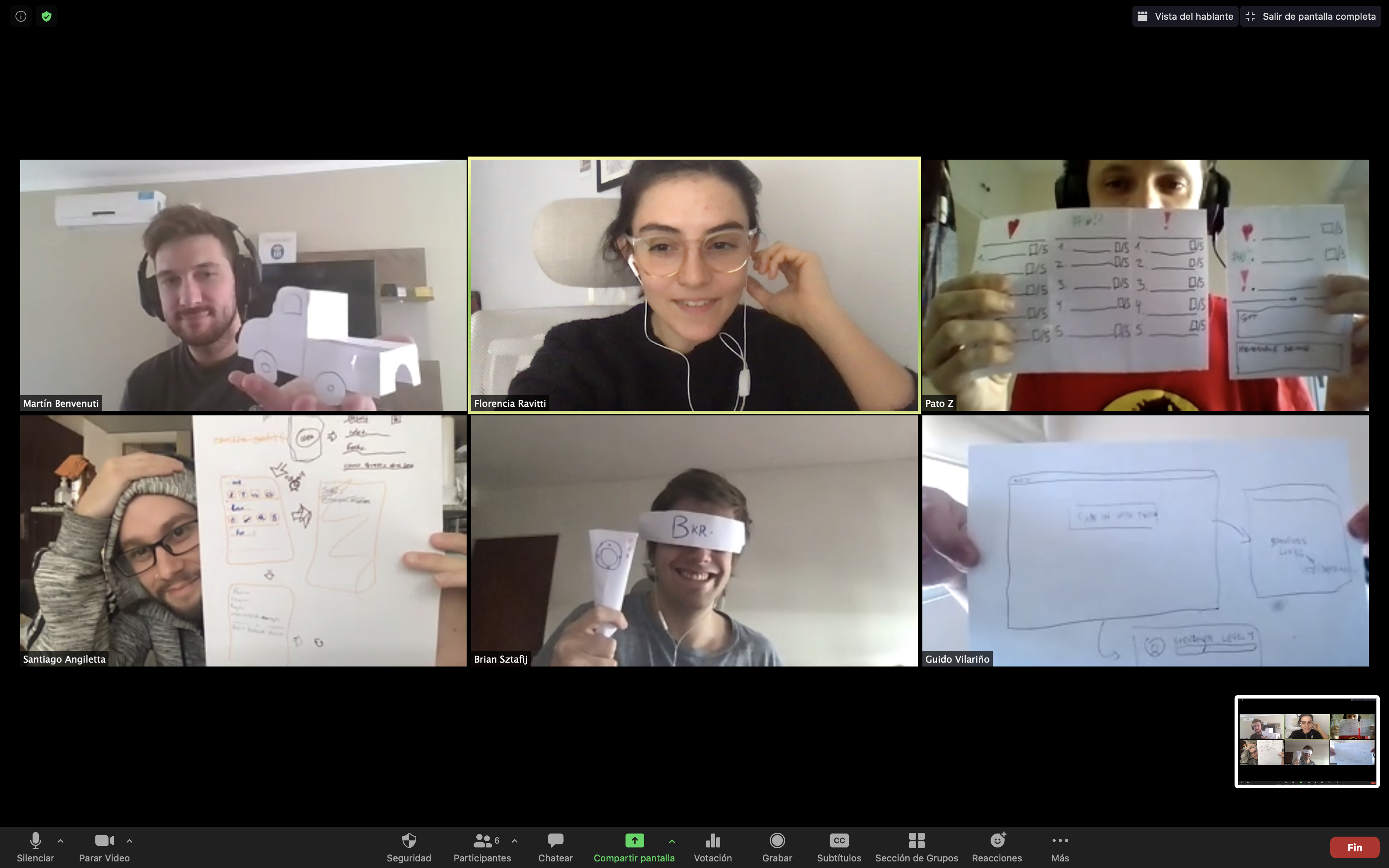
The CEO saw the pilot results and decided every employee should take the workshop. It became a company OKR. But I was still the only one running it, alongside my full-time product work.
So we turned it into a Design team OKR: every one of Mural's 30 designers would facilitate at least one session by the end of the quarter. My job shifted from facilitator to system builder.
I created a facilitation kit (detailed script with timing and cues, best practices for virtual facilitation, reusable Mural templates, and a Spotify playlist for the quiet moments). I designed a progressive training path: observe a session, co-facilitate with a peer, then lead one solo. I recorded training videos and ran a kickoff with the full team.
We learned fast through failure. One early session had 24 participants and one facilitator. It ran 3.5 hours, people left early, and confusion was high. That taught us to cap groups at 8–12 people, assign co-facilitators for breakout groups, and partner with People Operations to handle logistics, language pairing, and post-session surveys.
Experience over lecture. The whole program was built around doing, not watching slides. That decision shaped every constraint: the 2.5-hour time limit, the pair format, the real problem to solve. It's also why the program stuck; people remembered it because they felt it.
Decentralize facilitation. I could have kept running every session myself. Instead I built a system that turned 30 designers into facilitators. This was slower at first but meant the program could scale without depending on me. It also gave the design team leadership experience they wouldn't have gotten otherwise.
Know when to hand it off. When coordinating the program alongside product work became unsustainable, I advocated for bringing in an external vendor. I onboarded them, reviewed their facilitation plans, and made sure the experience stayed aligned with Mural's culture. Then I stepped back. The program didn't need me anymore, and that was the point.
First quarter: 14 sessions, 230 employees trained, 20 facilitators onboarded, 84% of the company OKR completed. From participant surveys: 88% rated facilitation as effective, 62% felt confident discussing Design Thinking afterward.
The program eventually reached 90% of the company, was adopted as mandatory for all employees, and is now embedded in the onboarding process for every new hire.
The thing I'm most proud of isn't the reach. It's that I built something that works without me. The facilitation kit, the training path, the operational model: those are still running. That's the difference between leading a project and building a system.